For many children, sitting in the front seat feels like a milestone. It represents growing up, gaining independence, and leaving behind the booster seat years. Parents frequently wonder whether their child is actually old enough to ride in the front seat.
California has specific laws regarding child passenger safety, and those laws exist for a very important reason. Children are especially vulnerable during motor vehicle accidents. Where a child sits in a vehicle can significantly affect the severity of their injuries.
Nothing is more important than protecting your child. When accidents occur because of another driver’s negligence, families often find themselves facing difficult medical, financial, and emotional challenges.
Why Is It Dangerous for Children To Ride in the Front Seat?
Modern vehicles are designed with safety features such as seat belts and airbags. While these systems help protect adults, they can sometimes pose additional risks for young children.
The front passenger seat is generally closer to:
- The dashboard
- The windshield
- Airbag deployment zones
- Areas of direct impact during certain collisions
Children’s bodies are still developing. Their bones, muscles, and internal organs are often less capable of withstanding crash forces than those of adults. As a result, children who ride in the front seat may face an increased risk of serious injury during a collision.
The Hidden Dangers of Airbags
Airbags save lives every year. However, airbags deploy with tremendous force and speed. For an adult sitting in the proper position, that force can provide important protection during a crash. For a child, the same force can cause serious harm. During deployment, an airbag may strike a child in the head, neck, chest, or face.
These impacts can result in severe injuries, particularly when a child is too small for the front passenger seat. This is one of the primary reasons safety experts generally recommend that children ride in the back seat whenever possible.
When Can a Child Legally Sit in the Front Seat in California?
California child passenger safety laws contain specific requirements for child restraints and seating positions. Generally, children under certain age and size requirements must be secured in appropriate child safety seats or booster seats.
California law generally requires:
- Children under 2 years old ride in a rear-facing car seat unless they meet certain height and weight requirements.
- Children must remain in appropriate child restraint systems until they outgrow those requirements.
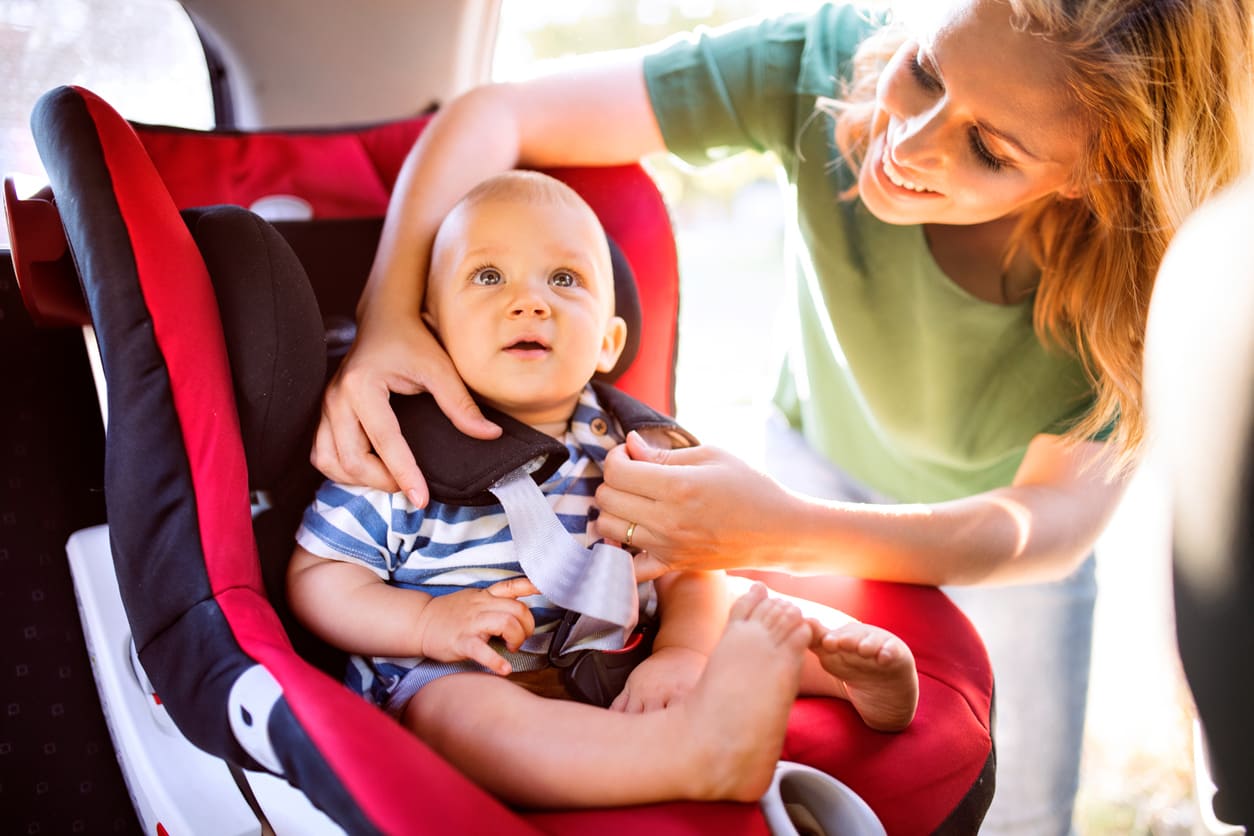
- Children under age 8 must be secured in a car seat or booster seat in the rear seat of the vehicle, subject to limited exceptions.
While the law establishes minimum requirements, many safety organizations recommend keeping children in the back seat until at least age 13. Parents should review applicable safety recommendations to determine what is appropriate for their child’s age, height, and weight.
Why the Back Seat Is Often Safer
The back seat is generally the safest place for children during a collision. Several factors contribute to this increased safety, such as:
- Greater distance from impact: Children seated in the rear are farther away from many common collision points.
- Reduced airbag risks: Rear-seat passengers avoid many of the dangers associated with front passenger airbag deployment.
- Better protection during certain crashes: The back seat can provide protection during frontal collisions, which are among the most serious types of motor vehicle accidents.
Because of these advantages, safety experts usually recommend keeping children in the rear seat as long as possible.
Common Injuries Children Can Suffer in Car Accidents
Even relatively low-speed accidents can result in significant injuries to child passengers. Common injuries include:
- Traumatic brain injuries
- Neck injuries
- Spinal cord injuries
- Broken bones
- Internal injuries
- Facial injuries
- Emotional trauma
Some injuries may not be immediately apparent after a crash, making prompt medical evaluation essential.
What Damages Can Be Recovered?
If another party’s negligence caused an accident, California law may allow families to pursue both economic and non-economic damages for their child. This recovery can include:
- Medical expenses: Compensation for hospitalization, surgery, and future medical care.
- Pain and suffering: Children may recover financially for physical pain, emotional distress, and reduced quality of life.
- Long-term care costs: Serious injuries may require ongoing treatment and support.
- Developmental expenses: Some injuries require specialized educational services or therapies.
- Loss of future earning capacity: Catastrophic injuries may impact a child’s future ability to earn income as an adult.
Every child’s case is unique, and the compensation available depends on the specific circumstances and the extent of the injuries.
Contact Mercado Kramer To Schedule a Free Consultation With a California Car Accident Attorney
Every parent tries to keep their children safe. Understanding California’s child passenger safety laws is an important part of that responsibility. The back seat is generally the safest location for young passengers.
If you or your child has been injured in a car accident in California, you don’t need to face this situation alone. Contact Mercado Kramer LLP today for a free consultation with a California car accident lawyer.
We will help explain your legal rights and ensure that your child receives the care and support they need to recover and move forward.
We have offices in Salinas and San Jose, CA, and we serve throughout Monterey County.
Mercado Kramer.
450 Lincoln Ave Ste. 102, Salinas, CA 93901
(888) 311 4050