
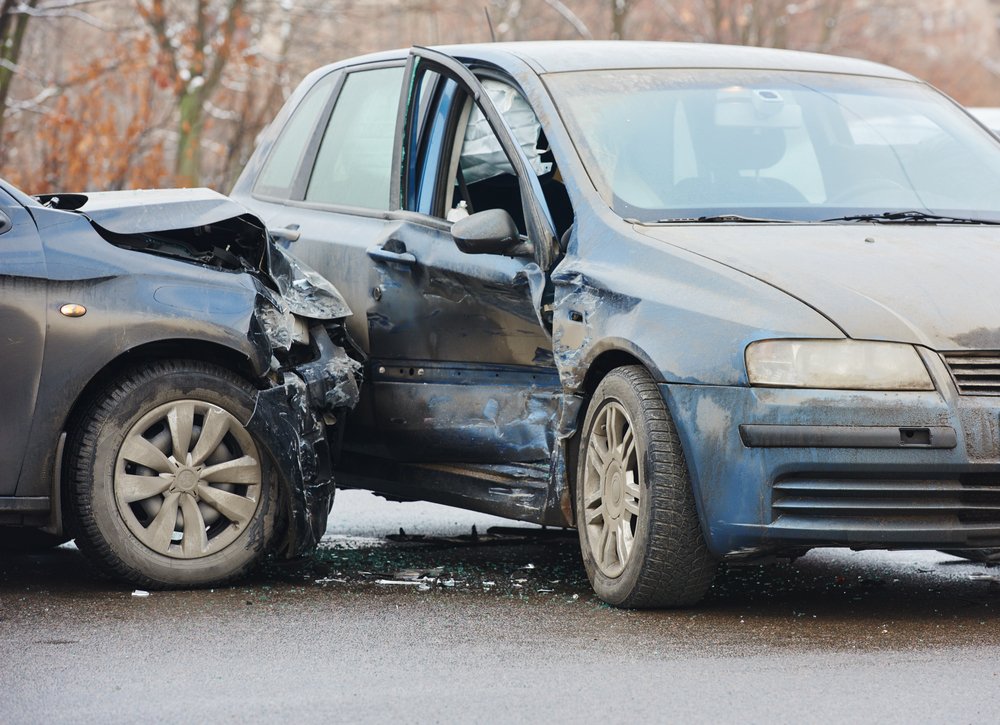
T-bone accidents, also known as side-impact collisions, can cause serious injuries because the sides of vehicles generally provide less protection than the front or rear. These accidents often occur at intersections when one driver runs a red light, fails to yield the right of way, or disregards a stop sign.
Common injuries associated with T-bone accidents include traumatic brain injuries, neck injuries, spinal cord damage, broken bones, and internal organ damage. Depending on the severity of the collision, victims may experience long-term disabilities, chronic pain, and significant medical expenses. Understanding the injuries commonly caused by T-bone accidents can help victims recognize symptoms, seek appropriate medical treatment, and protect their legal rights.
Traumatic Brain Injuries
Traumatic brain injuries are among the most serious injuries associated with T-bone accidents. During a side-impact collision, the sudden force can cause an occupant’s head to strike a window, door, or another part of the vehicle. The rapid movement of the head can also cause a brain injury without direct contact.
Common symptoms of a traumatic brain injury include:
- Headaches or migraines
- Dizziness and balance problems
- Confusion or memory loss
- Nausea and vomiting
- Difficulty concentrating
- Sensitivity to light or noise
- Changes in mood or behavior
Some victims experience mild concussions, while others suffer severe brain injuries that require extensive rehabilitation and ongoing medical care.
Neck Injuries and Whiplash
Neck injuries are another common consequence of T-bone accidents. The sudden sideways movement of the head and neck can stretch or damage muscles, ligaments, and other soft tissues.
Whiplash is often associated with rear-end collisions, but it can also occur during side-impact crashes.
Symptoms may include neck stiffness, headaches, shoulder pain, reduced range of motion, and muscle spasms.
Although some neck injuries improve with conservative treatment, others can cause persistent pain and mobility limitations. Medical evaluation is important because symptoms may not appear immediately after the collision.
Spinal Cord Injuries and Back Damage
The force of a T-bone collision can place significant stress on the spine, potentially damaging vertebrae, discs, nerves, and the spinal cord.
Common spinal injuries include:
- Herniated or bulging discs
- Fractured vertebrae
- Nerve compression
- Lumbar and cervical strains
- Spinal cord damage
Severe spinal cord injuries can result in partial or complete paralysis, permanently affecting a person’s mobility and independence.
Even injuries that do not involve the spinal cord can cause chronic back pain, numbness, tingling, and difficulty performing everyday activities.
Broken Bones
T-bone accidents frequently cause broken bones, particularly when the impact occurs directly beside a vehicle occupant.
The force of the collision can push the door inward, striking the occupant or trapping parts of their body against the vehicle’s interior.
Common fractures include:
- Rib fractures
- Broken arms and wrists
- Pelvic fractures
- Hip fractures
- Broken legs and ankles
- Collarbone fractures
Some fractures heal with immobilization and physical therapy, while more complicated injuries require surgery, hardware implantation, or extensive rehabilitation.
Fractures involving the pelvis or hips can be especially debilitating because they may significantly limit mobility during recovery.
Internal Organ Damage and Internal Bleeding
Internal injuries are among the most dangerous consequences of T-bone accidents because they may not be immediately visible.
A powerful impact can damage organs such as the spleen, liver, kidneys, or lungs. Victims may also experience internal bleeding that requires emergency treatment.
Warning signs of internal injuries may include:
- Severe abdominal pain
- Dizziness or fainting
- Abdominal swelling
- Unexplained weakness
- Shortness of breath
- Unusual bruising
Internal bleeding can become life-threatening without prompt medical intervention. Anyone experiencing these symptoms after a collision should seek emergency medical care.
Shoulder, Hip, and Leg Injuries
Because T-bone accidents involve direct impacts to the side of a vehicle, occupants may sustain injuries to their shoulders, hips, knees, and legs.
These injuries can include dislocated joints, torn ligaments, damaged cartilage, and severe bruising.
In some cases, the force of the collision can cause significant damage to the hip joint or surrounding muscles, making walking and other daily activities difficult.
Treatment may involve physical therapy, pain management, surgery, or long-term rehabilitation.
Contact Mercado Kramer for a Free Consultation With a Salinas Car Accident Lawyer
T-bone accidents can cause devastating injuries that affect your health, financial stability, and quality of life. If another driver’s negligence caused your injuries, you may have the right to pursue compensation for your medical expenses, lost income, pain and suffering, and other damages.
At Mercado Kramer, our experienced Salinas car accident lawyers are dedicated to helping injured victims understand their rights and pursue the compensation they deserve. Contact us today for a free consultation.
Mercado Kramer.
450 Lincoln Ave Ste. 102, Salinas, CA 93901
(888) 311 4050