
While personal injury cases often focus on physical recovery, serious accidents frequently result in substantial property damage—such as ruined vehicles or lost personal belongings—that requires immediate attention.
Unfortunately, insurance companies do not always make the process easy. They may dispute the value of your property, delay payments, or argue that some of the damage existed before the accident.
Understanding how property damage claims work can help you protect your financial interests and avoid accepting less than your claim may be worth.
What Is Property Damage?
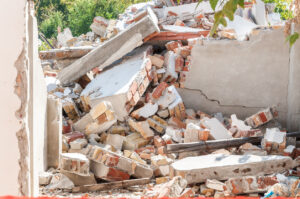
Property damage generally refers to physical harm to or destruction of personal or real property. In an accident claim, a person may seek compensation when another party’s negligence or other wrongful conduct caused the damage.
Property damage claims generally seek to compensate an owner for the financial loss caused by the incident. Depending on the type of property and the extent of the damage, compensation may be based on repair costs, loss in market value, or another appropriate measure.
Examples of property that may be damaged include:
- Cars
- Trucks
- Motorcycles
- Bicycles
- Electric scooters
- Cell phones
- Laptops and tablets
- Jewelry
- Eyeglasses
- Child safety seats
- Clothing
- Homes
- Fences
- Landscaping
- Commercial property
Every case is different. The type of property involved and whether it can be repaired often affect how the claim is evaluated.
Common Situations That Lead to Property Damage Claims
Property damage claims can result from many different types of accidents.
These most commonly include:
- Car accidents
- Truck accidents
- Motorcycle accidents
- Bicycle and pedestrian accidents
- Premises liability cases
Some people focus solely on recovering from their physical injuries and overlook the financial effect of damaged property. Doing so can leave significant losses unaddressed.
How Do You Prove Property Damage?
Like other claims for compensation, a property damage claim depends on evidence. Strong documentation can help establish what was damaged, what the property was worth, and what it may cost to repair.
Useful evidence may include:
- Photographs
- Videos
- Police reports
- Repair estimates
- Receipts
- Maintenance records
- Vehicle appraisals
- Insurance documentation
- Witness statements
- Expert opinions
It is also important to preserve damaged property whenever possible. Throwing away an item before it can be documented or inspected may make it harder to establish the nature and extent of the loss.
What Compensation Is Available for Property Damage in California?
Property damage is generally considered a form of economic damages. The appropriate measure of damages depends on the type of property and the extent of the loss.
For damaged personal property, California law generally considers the difference between the property’s market value immediately before and after the damage or, in appropriate cases, the reasonable cost of repair. If repairs do not fully restore the property’s value, additional loss in value may sometimes be considered. If personal property is completely destroyed, its pre-loss market value is generally relevant to the calculation.
Depending on the circumstances, property-related compensation may include:
- Reasonable vehicle repair costs
- Market-value losses for destroyed property
- Compensation for damaged personal belongings
- Reasonable rental vehicle or loss-of-use expenses
- Towing charges
- Reasonable storage fees
- Diminished value when repairs do not fully restore a vehicle’s pre-accident value
- Damage to homes or buildings
- Costs associated with damaged landscaping or fencing
Different rules may apply depending on whether the claim involves personal property or real property. The particular facts of the loss, therefore, matter when determining the appropriate amount of compensation.
Can You Recover Property Damage if You Were Partially at Fault?
Yes. California follows a pure comparative negligence system. When more than one person contributed to an accident, responsibility can be divided among the parties.
If you are found partially responsible, your recovery generally may be reduced according to the percentage of fault attributed to you. Comparative fault does not necessarily prevent recovery simply because you contributed to the accident.
Insurance companies may dispute responsibility when evaluating a property damage claim. Photographs, witness accounts, police reports, and other evidence can therefore be especially important when fault is contested.
How Can a Personal Injury Lawyer Help With Property Damage?
Property damage claims may seem straightforward. However, disputes can arise over liability, repair costs, market value, diminished value, and insurance coverage.
An attorney can investigate the facts, gather evidence, work with appropriate experts, and negotiate with insurers.
If property damage is part of a larger personal injury claim, an attorney can also evaluate losses such as:
- Medical expenses
- Lost income
- Pain and suffering
- Loss of quality of life
Addressing both the physical and financial consequences of an accident can provide a more complete picture of the losses involved.
Contact Mercado Kramer for a Free Consultation With a Monterey County Personal Injury Lawyer Today
If someone else’s negligence damaged your vehicle or other valuable property in California, you may have the right to pursue compensation for your losses.
Contact Mercado Kramer today at (888) 311-4050 to schedule a free consultation. Our Monterey County personal injury attorneys can review what happened, discuss the property damage and any related injuries, and explain your options for seeking compensation from the responsible parties.